Article: Tofu, Tempeh, Seitan: What Are They Really? | Tigusto

Tofu, Tempeh, Seitan: What Are They Really? | Tigusto
Tofu, tempeh and seitan: why they are not "fake meat"

Every time we enter a Swiss supermarket, the plant-based protein aisle grows. But the public conversation about tofu, tempeh, and seitan remains stuck in a narrative that sometimes seems wrong to us: that of "modern substitutes" or "fake meat". A recent article by RSI, written by Elodie Luvenga, has clarified the matter. It is worth revisiting it and adding our point of view, after thirty-five years spent fermenting, coagulating, and hand-working these raw materials.
Three foods, three ancient histories

Tofu and seitan originated in Chinese Buddhist monastic cuisine. Tempeh was born on the island of Java, Indonesia, where it has been a daily protein source for centuries. In their lands of origin, none of these foods were ever conceived as an "alternative" to something else. They are complete ingredients, celebrated for their textures and their ability to absorb spices and flavors. The Western narrative of "meat substitute" is recent, and it has flattened a much richer history.
They are not all the same
The most common mistake is to consider tofu, tempeh, and seitan interchangeable. They are not.
-
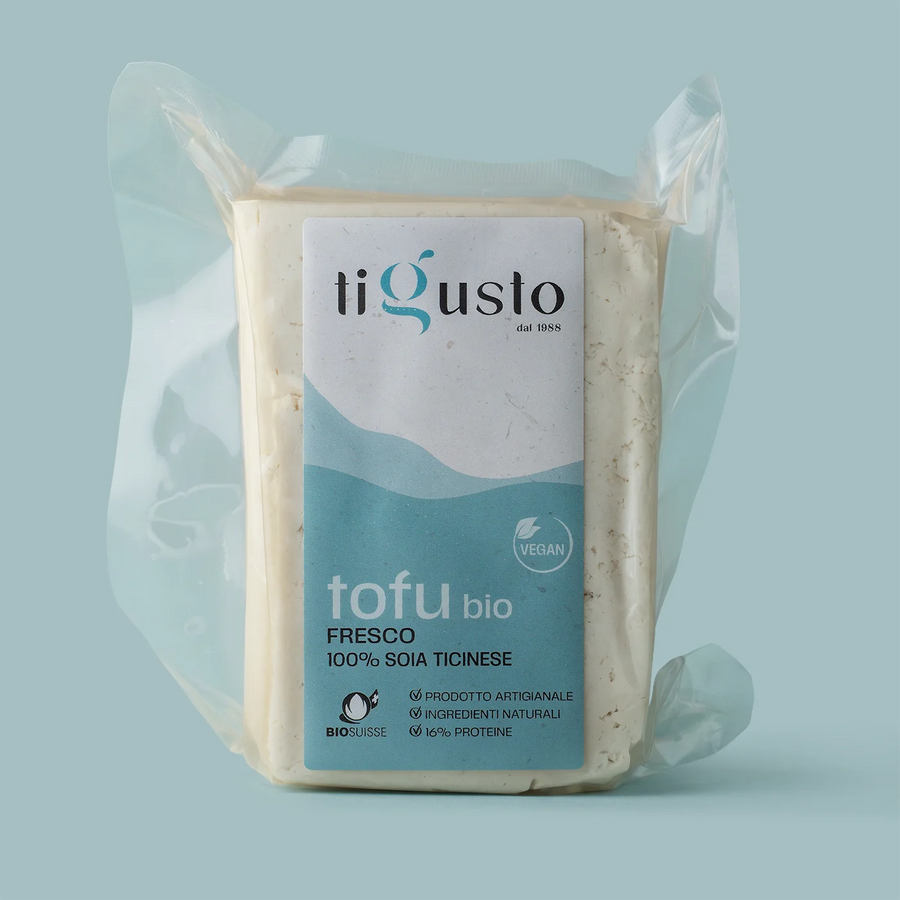
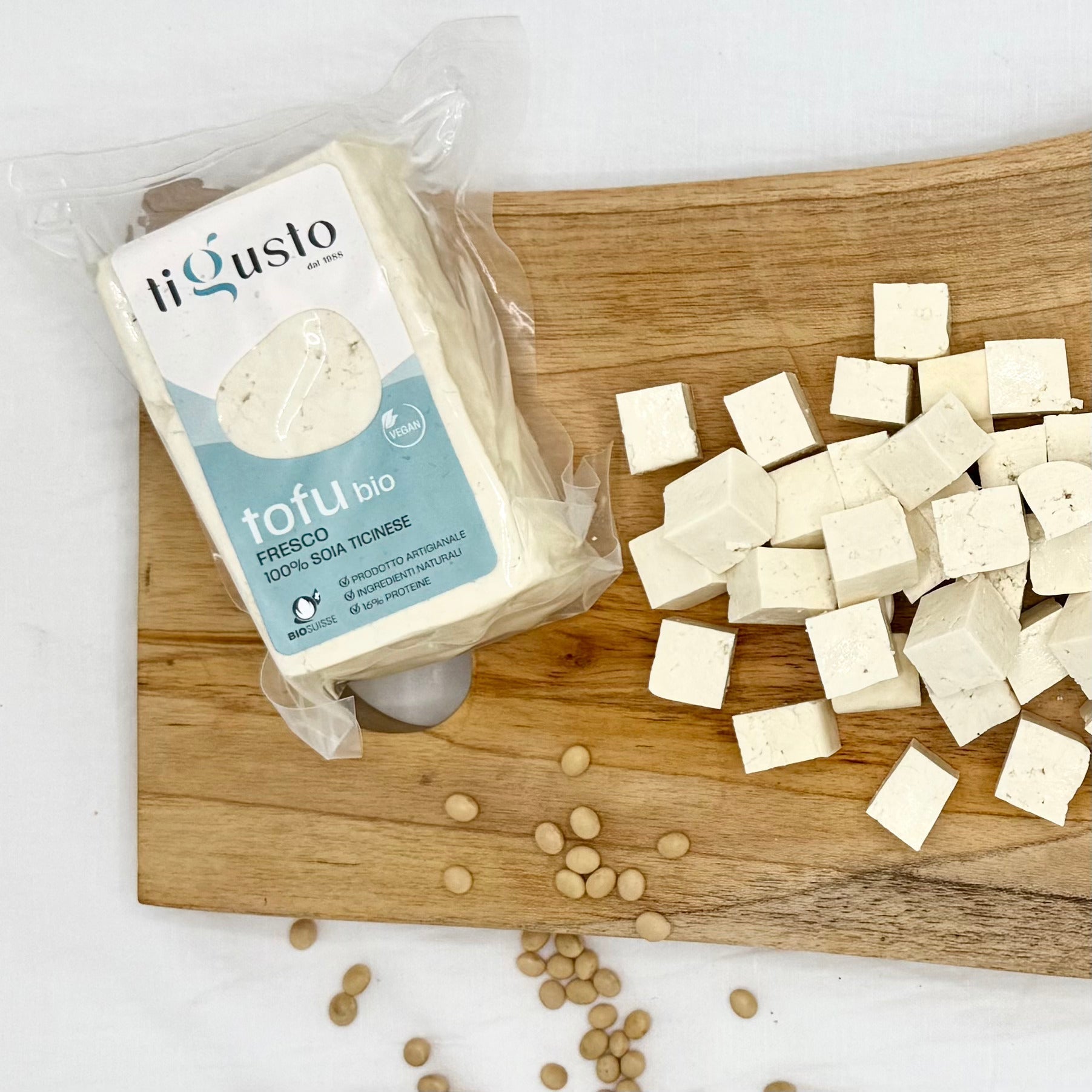
Tofu is obtained from the coagulation of juice extracted from soybeans. It is a complete, digestible protein with a neutral flavor. It serves as a perfect absorber of marinades and seasonings.
-
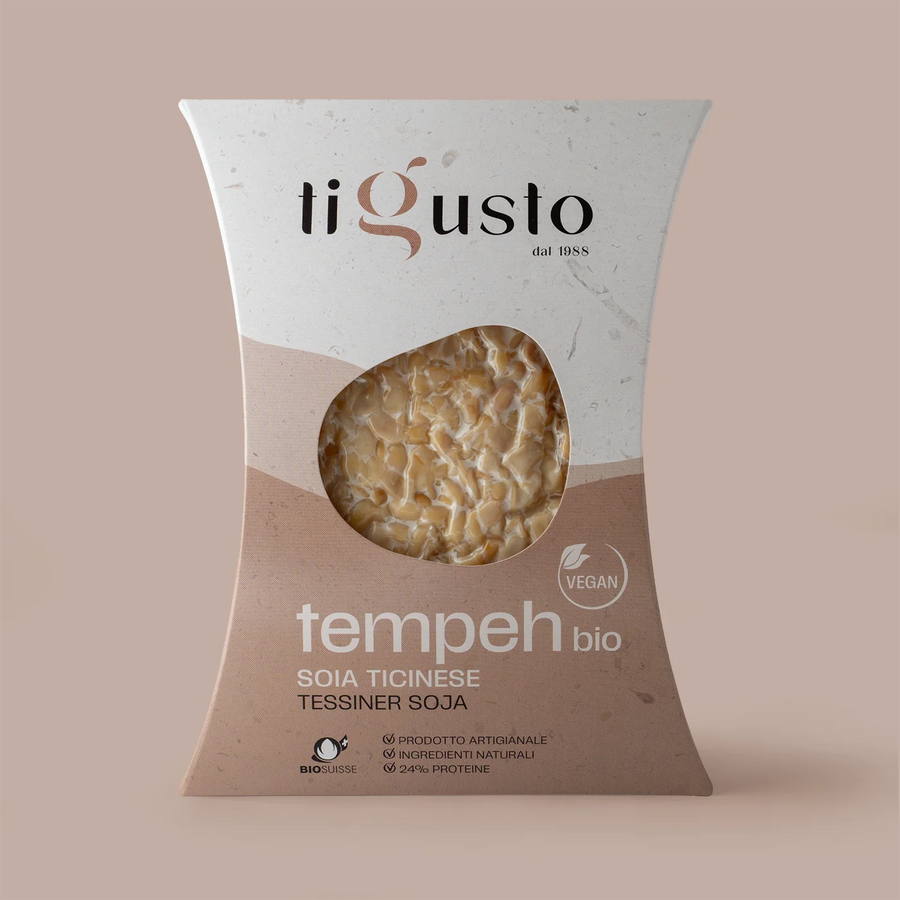
Tempeh is derived from the controlled fermentation of whole soybeans. It retains the fiber of the soy and develops a more intense flavor profile, with nutty and earthy notes. It is the most satiating of the three.
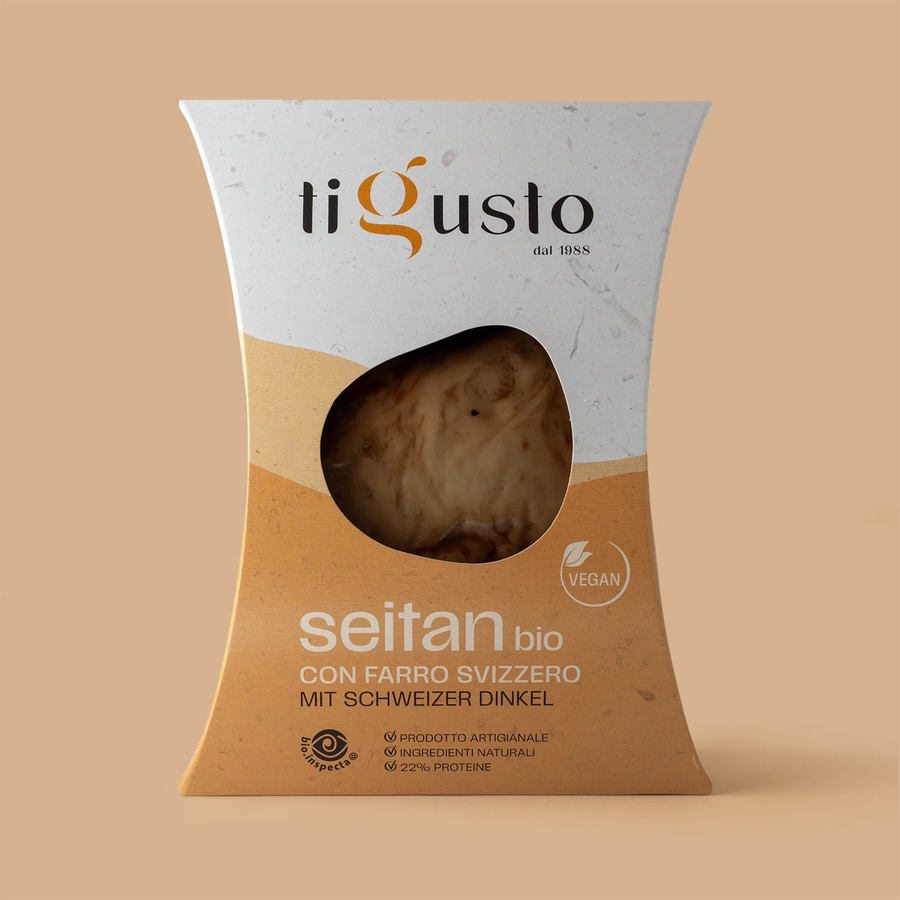
• Seitan is not made from soy: it is wheat gluten cooked in broth. It is high in protein but not complete, not recommended for coeliacs, ideal for hearty preparations like stews or roasts.
Artisanal or ultra-processed: the real distinction

This brings us to the most important point for us. The RSI article clearly distinguishes between traditional, minimally processed versions and industrial ready-made products (burgers, sausages, cutlets) that use these bases to emulate meat with additives, artificial flavors, hydrogenated fats, and high amounts of sodium.
It is a distinction that should guide the choice of every conscious consumer. Not everything that is "plant-based" is automatically healthy or clean. An artisanal tofu, slowly processed with organic soy and nigari, is a minimally processed food. A plant-based sausage packaged in a modified atmosphere, with fifteen ingredients on the label, is something entirely different.
What we do in Cugnasco, since 1988

In our laboratory in Cugnasco-Gerra, Ticino, we have been producing tofu, tempeh, seitan, sauces, and plant-based broths since 1988. The soy we use is organic and from Ticino, cultivated a few kilometers from the laboratory. The processing is slow, manual, one batch at a time. There are no preservatives in our recipes. There are no artificial flavors.
We are not saying this to build ourselves a halo. We are saying it because when RSI describes "local artisanal processing laboratories", it is describing exactly the kind of work we do, along with a few other producers in the area.
Ingredients, not substitutes
Discovering tofu, tempeh, and seitan as autonomous ingredients, not as substitutes, is the first step to building a serious relationship with plant-based nutrition. If you want to see how our tofu is made, take a look at our range or come and visit us at the laboratory.

Written by Nora Ceresa-Wydler