Article: Prodotti bio locali e commercio internazionale: cosa sta succedendo
Prodotti bio locali e commercio internazionale: cosa sta succedendo
Local organic products and international trade: what is happening
A report recently published by the US Department of Commerce has drawn attention across Switzerland. It identifies what it calls "significant barriers" to American organic imports, pointing to the country's strict certification rules and the influence of two large retail chains said to favour local brands over imported ones.
We are following these developments closely, and we want to share a few thoughts.
Swiss organic standards: decades of collective work
The rules governing organic farming in Switzerland were not designed to shut anyone out. They are the result of a long, shared journey taken by farmers, certifiers and consumers who chose to invest in verifiable quality. Certifications like Bio Suisse and Regio Garantie ask a great deal because they promise a great deal: traceable supply chains, local ingredients, regular independent controls.
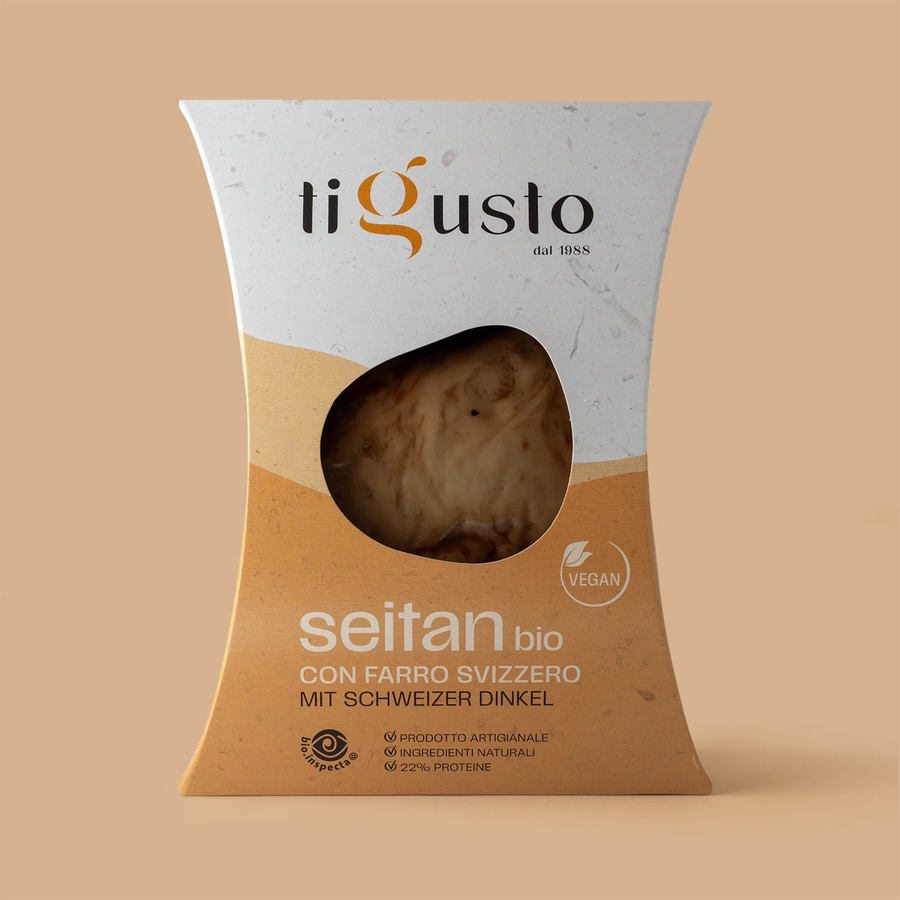
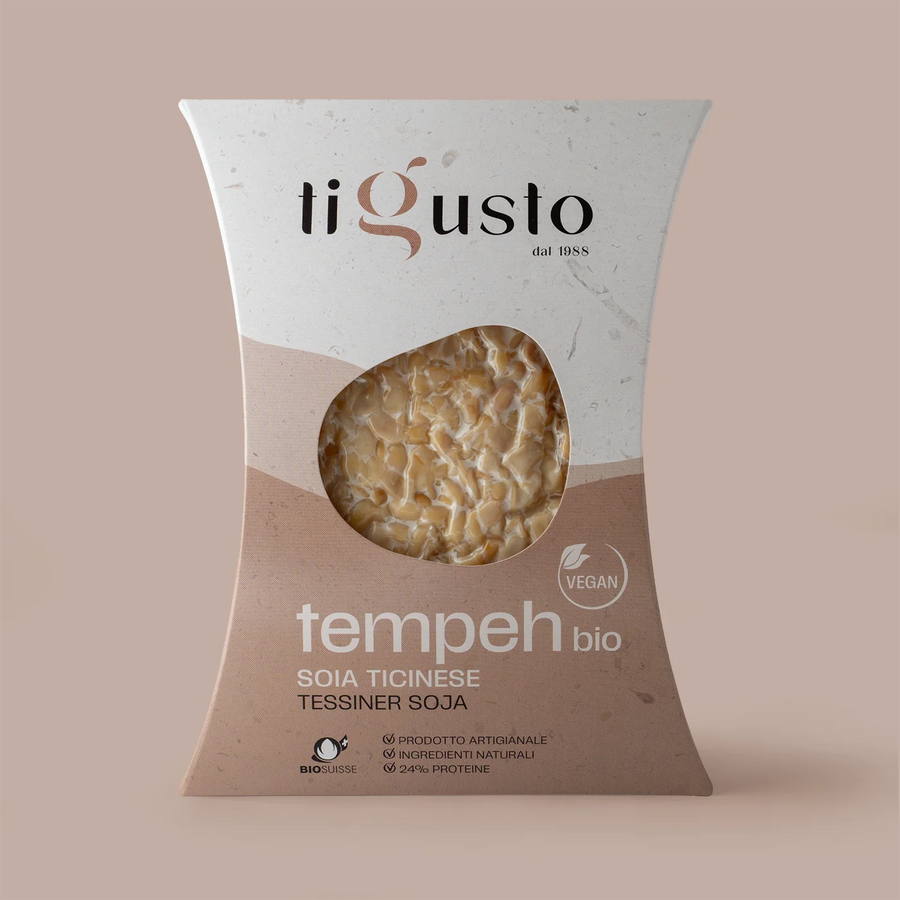
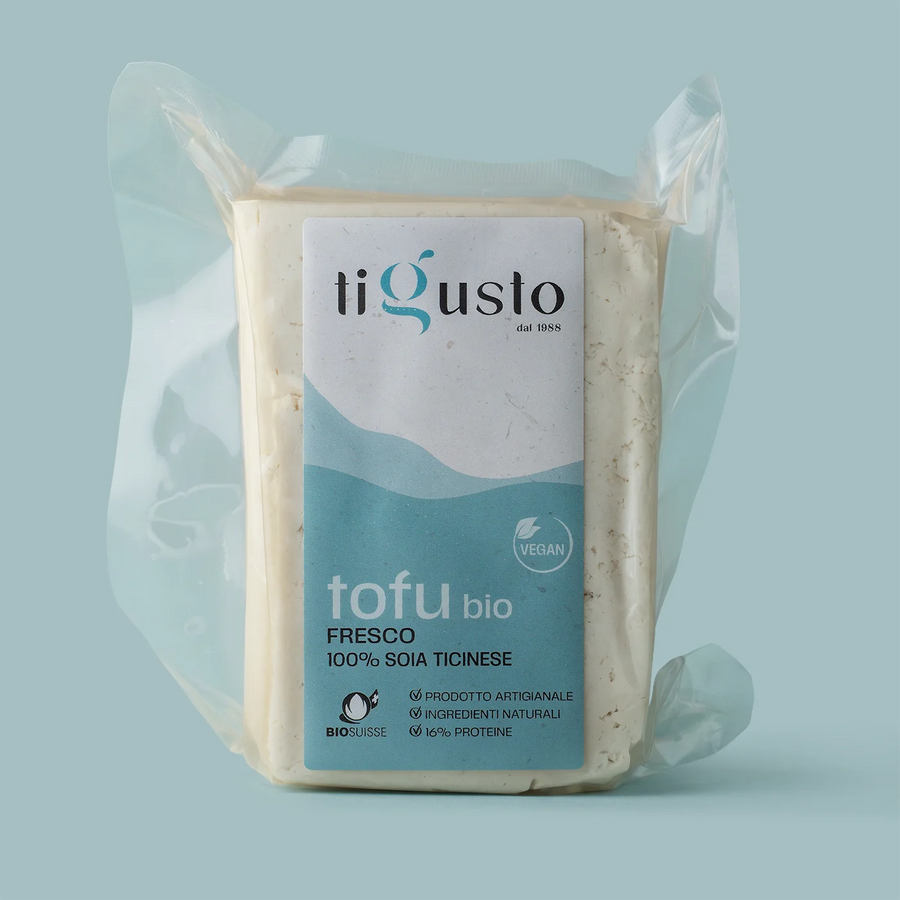
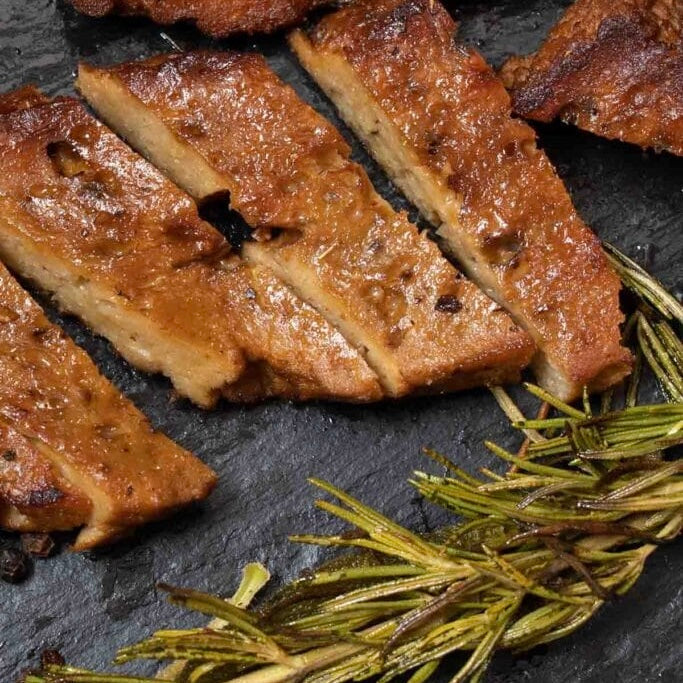
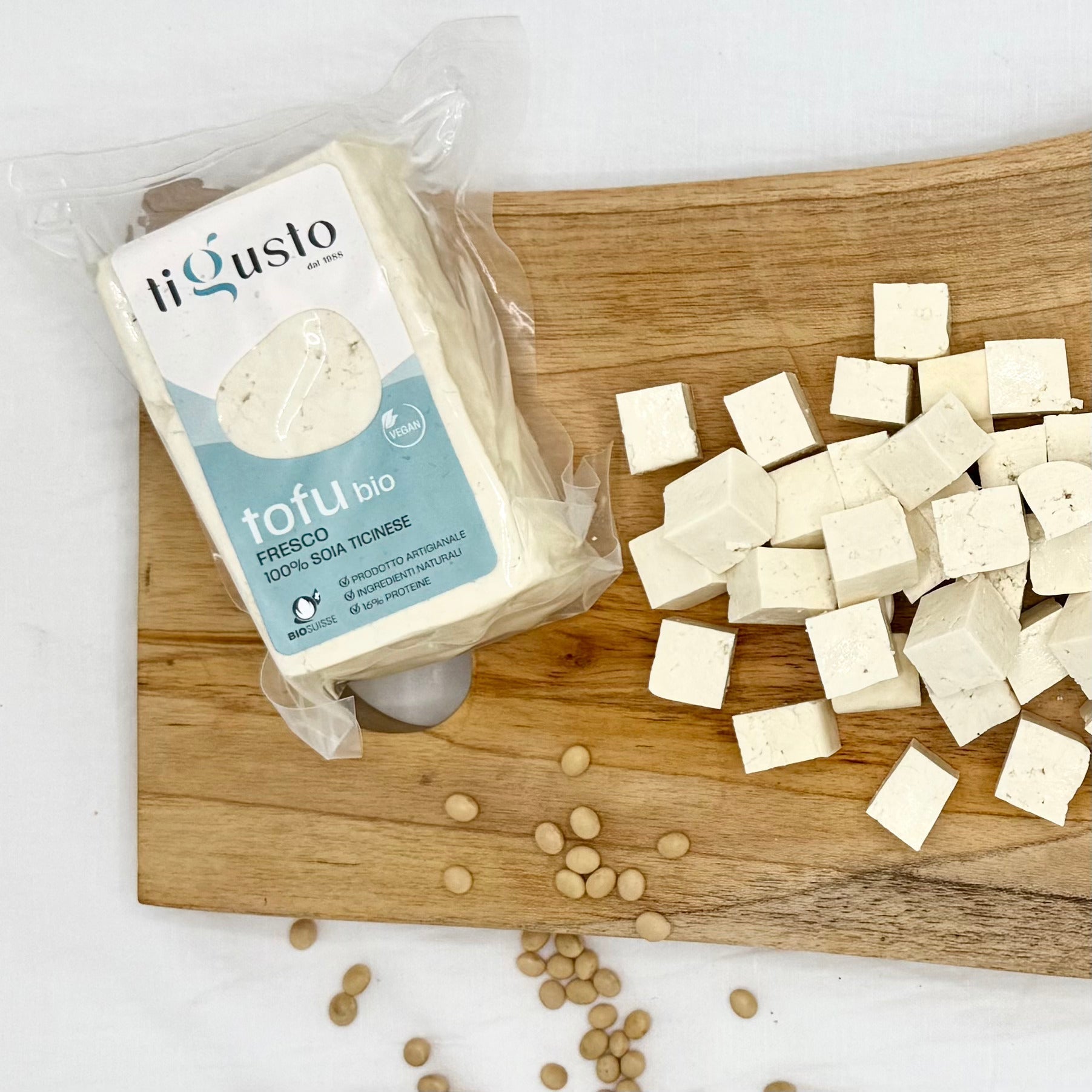
For us in Cugnasco-Gerra, where we produce local organic products every day, these standards are not a constraint. They are the foundation. The soy in our tofu and tempeh grows in Ticino. Our seitan is worked by hand. Every product carries a story that can be checked.
A word of thanks to those who built this market
In this context, we feel genuine gratitude towards the large Swiss retail networks that have, over the years, invested in promoting certified local products. Without commercial partners who believed in short supply chains and rigorous organic criteria, many small artisan producers like Tigusto would never have had the room to grow.
What this means for people who choose Tigusto
Trade negotiations between Washington and Bern are ongoing and their outcome remains uncertain. What does not change is how we produce: with the same ingredients, in the same laboratory, with the same care.
Choosing local organic products today is more than a matter of taste. It is a choice that supports a resilient food system, rooted in its territory, capable of lasting regardless of which way the winds of international trade policy blow.

Written by Pablo Wydler